

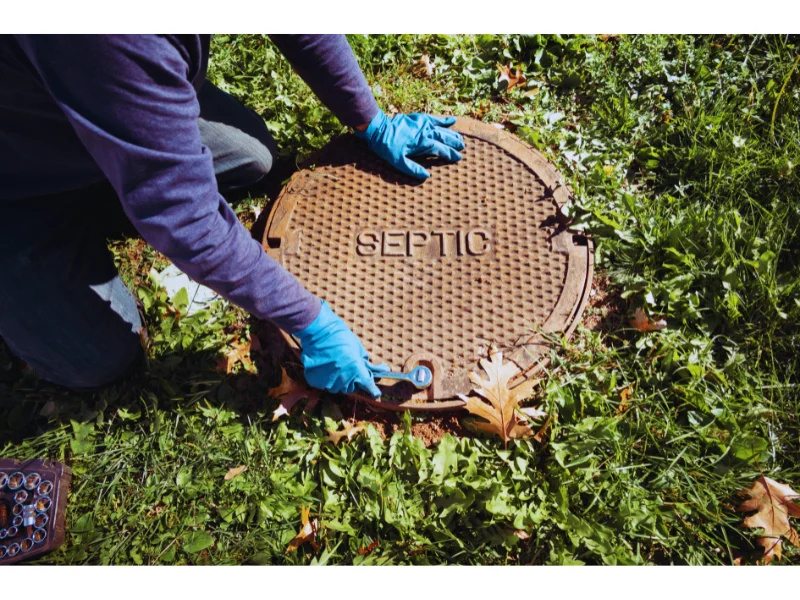
Septic tanks are essential for homes not connected to public sewer systems, but simple mistakes can lead to serious problems.
Issues like clogs, backups, or even environmental damage often result from poor septic system care.
Excessive water use, harmful chemicals, or improper waste disposal can all disrupt its performance.
Routine maintenance, including inspections and pumping, helps prevent common septic system mistakes.
Using water wisely and disposing of waste properly also play a big role in keeping the system healthy.
Avoiding these common errors helps your septic tank work efficiently for years.
Understanding Your Septic System
The Basics of How Septic Systems Work
A septic system treats and disposes of household wastewater in areas not served by municipal sewer systems.
It consists of a septic tank and a drainfield, also known as a leach field.
The tank separates solid waste from liquid, allowing bacteria to break down organic material.
Liquids flow into the drainfield, where they are filtered through soil to remove contaminants.
When a septic system is properly maintained, it can function efficiently for decades.
However, improper use can disrupt this process, leading to backups or system failure.
Signs of a Healthy vs. Failing Septic System
A healthy septic system shows no visible signs of trouble.
Wastewater drains freely, and there’s no foul odor around your home or drainfield.
On the other hand, a failing system may cause slow drains, sewage backups, or water pooling in your yard.
Bad odors and unusually lush vegetation over the drainfield are also warning signs.
Addressing these issues early with regular inspections can help you spot and resolve problems before they worsen.
Scheduling Regular Inspections and Pumping

The Importance of Professional Inspections
Professional inspections are crucial for identifying potential problems with your septic system.
Experts can assess your tank’s condition, check for leaks, and make sure all components work properly.
These inspections provide peace of mind and help avoid unexpected repairs.
Skipping inspections can allow minor issues to escalate into costly repairs or even system replacement.
Scheduling routine evaluations keeps your system in top condition and extends its lifespan.
How Often to Pump Your Septic Tank
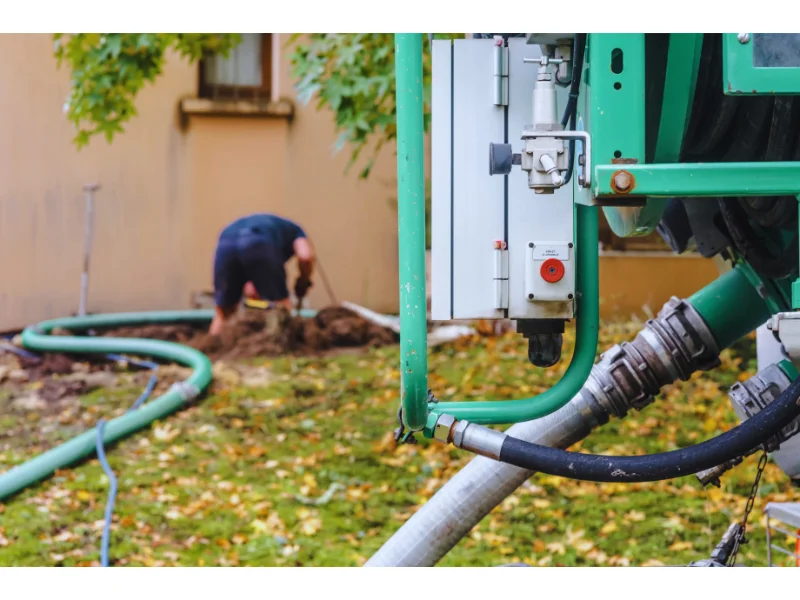
Regular pumping is one of the most important septic tank maintenance tips.
Most systems need to be pumped every three to five years, depending on tank size and household water usage.
Pumping removes accumulated solids, preventing blockages and maintaining the system’s efficiency.
Ignoring this step can lead to backups, foul odors, and environmental hazards.
Keeping track of your pumping schedule is a simple way to prevent septic tank problems.
Managing Water Use Efficiently
Tips for Reducing Water Waste
Excess water can overwhelm a septic system, reducing its ability to treat waste effectively.
Simple changes, such as fixing leaks and installing water-efficient fixtures, can significantly reduce water usage.
Spreading laundry loads throughout the week rather than washing all at once can also help.
Mindful water use not only benefits your septic system but also conserves a valuable resource.
Small adjustments can make a big difference in preventing overloading.
The Effects of Overloading Your Septic System
Too much water in a short period can flood your septic tank and drainfield.
This reduces the system’s ability to separate and treat waste, leading to backups or system failure.
Overloading the system is a common cause of avoidable septic tank issues.
Managing household water use and being conscious of how much flows into the system helps keep everything running smoothly.
Following Proper Waste Disposal Practices
What Not to Flush Down the Toilet
Flushing inappropriate items is a common septic system mistake.
Educating everyone in your household about what not to flush is a simple yet effective preventive step.
Only human waste and toilet paper should go down the toilet.
Items such as wipes (even flushable ones), feminine hygiene products, and dental floss can cause clogs and disrupt the breakdown process in your septic tank.
Disposing of non-biodegradable materials in the toilet can lead to blockages and costly repairs.
Kitchen Habits That Harm Your Septic System
Proper kitchen waste management helps protect your septic system from unnecessary strain and keeps it functioning efficiently.
Things such as grease, oil, and food scraps are greatly harmful to septic systems.
Pouring grease down the drain can cause buildup in pipes, leading to clogs and system damage.
Using a strainer in your sink can prevent food particles from entering the system.
Caring for Your Drainfield
How the Drainfield Supports Your Septic System
The drainfield plays a critical role in treating wastewater after it leaves the septic tank.
It filters and disperses liquids into the soil, removing harmful contaminants before they reach groundwater.
A functioning drainfield is essential for the overall health of your septic system.
When the drainfield is damaged or overloaded, wastewater can pool on the surface or back up into your home.
Preventative Measures for Drainfield Care
Avoid parking vehicles or placing heavy objects on the drainfield, as this can compact the soil and damage the pipes.
Keep trees and shrubs at a distance to prevent roots from interfering with the system.
Directing rainwater runoff away from the drainfield reduces the risk of oversaturation.
These steps help keep your drainfield in optimal condition.
Avoiding Chemicals That Damage Your Septic System
Using Household Chemicals Sparingly
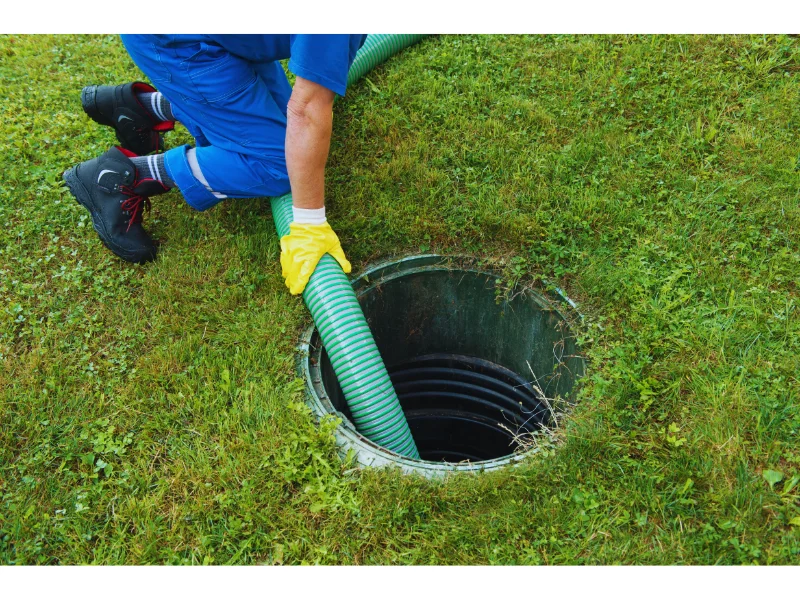
Harsh chemicals, such as bleach and drain cleaners, can kill the bacteria your septic system relies on to break down waste.
Using these products sparingly or switching to septic-safe alternatives helps maintain the system’s balance.
Excessive use of chemicals can disrupt the system and lead to untreated waste accumulating in the tank or drainfield.
Being mindful of what you pour down the drain protects the bacteria and keeps your system working properly.
Choosing Natural Alternatives with MicrobiaLogic’s SDB 500
MicrobiaLogic’s SDB 500 offers a natural and effective way to maintain septic systems, leach lines, and drain fields.
This product uses a specialized blend of microorganisms to break down grease, paper, and organic waste while naturally controlling odors.
Unlike chemical alternatives, SDB 500 improves the digestion process, reducing waste buildup and minimizing offensive gas production.
It’s safe for people, animals, plants, and the environment, making it an eco-friendly choice for septic care.
Say Goodbye to Septic Odors and Build-Up With MicrobiaLogic
Keeping your septic system in top shape is easier with the right tools.
MicrobiaLogic’s SDB 500 simplifies septic maintenance by naturally breaking down waste, reducing odors, and improving system efficiency.
Take the stress out of septic care with a product that works as hard as you do.
Choose MicrobiaLogic’s SDB 500 to keep your system running smoothly, protect the environment, and extend the life of your septic system.
Reach out to us today and treat your tank the smart way—experience the difference of natural, reliable maintenance today.


